Applications of Machine Learning: 5 Real-World Issues ML can solve
Machine learning, or ML, has been around for decades, and its business applications have been all over the news. Implementing machine learning models across different industries allows businesses to scale faster. From customer support to decision-making and pricing to lead conversion, it helps to automate everything. Statistics show that 20% of executives across 10 countries use machine learning for their businesses.
Machine learning applications extend beyond business, and they can potentially bring valuable solutions to real-world problems. In this article, you will learn how machine learning can solve some of the seemingly complex and unsolvable problems that the real world faces today.
What is machine learning?
Machine learning is a subset of AI or artificial intelligence that enables machines to learn automatically from historical data to identify patterns and predict outcomes.
The applications of machine learning include disease diagnosis and treatment, customer service through chatbots, detection of fraudulent financial transactions, traffic congestion and accident prevention, monitoring environmental changes, and more.
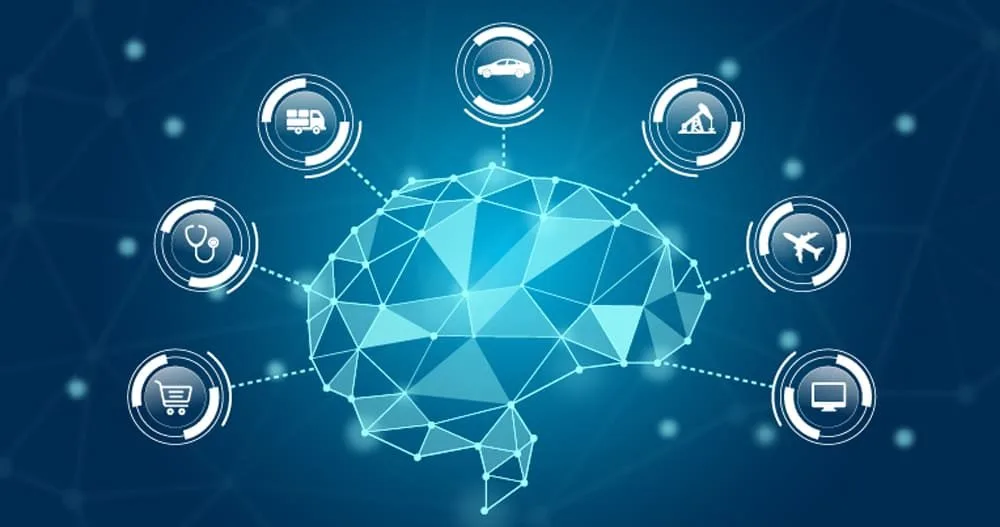
5 Real-world problems that can be effectively solved by machine learning
There are 5 Real-world problems that can be effectively solved by machine learning are as following:
1.Rising Financial Fraud
Phishing attacks and fraudulent transactions are the cause of billions each year across the globe. The traditional fraud detection systems that rely on rules frequently fail to recognize the changing threats.
The ML solution: Machine learning models detect abnormal behavior in real-time through the analysis of thousands of points for each transaction. Banks and payment services make use of ML to stop fraud before it can affect the customers. Entrepreneurs are able to create specific fraud prevention tools to small-sized e-commerce companies that lack sophisticated protection.
2.Expansive Choices on Digital Platforms
The consumer is bombarded by endless choices when they shop online, watching videos or browsing the internet. In the absence of guidance, this can lead to a lack of decision-making and loss of sales.
ML Solution: Recommendation engines powered by ML examine user behaviour to recommend appropriate content, products or even content. Netflix, Amazon, and Spotify make use of this every day. Business owners can use similar strategies for online learning, healthcare or niche market.
3.Health Diagnostics and Prediction Gaps
Doctors are faced with increasing patient load with delayed results from tests, and even missed diagnosis. Early detection of diseases such as diabetes or cancer can save lives, however current methods aren’t always effective.
ML Solution: ML models analyze the medical records of patients, scans as well as test outcomes to identify the risk of health problems and assist in diagnosis. They are able to detect early signs of illness faster and more accurately than human patients by themselves. Startups that focus on AI health apps as well as predictive diagnostics getting traction.
4.Supply Chains that are inefficient
From delays in shipping across the globe and local bottlenecks in delivery inefficiency in the supply chain results in cost-cutting, waste and irritated customers. The ability to predict demand and manage logistics is among the biggest challenges faced by businesses.
The ML solution: Machine-learning forecasts the trends in demand, improves inventory levels, and creates more efficient delivery routes. Logistics and retail companies utilize ML to lower expenses while making sure that their items are readily available at times of need. Entrepreneurs can use these tools for small companies as well as local delivery services.
5.Growing Cybersecurity threats
Cyberattacks are becoming more sophisticated every year and companies large and small are susceptible. Security systems that are traditional fail to recognize new or obscure threats until it’s already too far too late.
The ML solution: Security systems that are based on ML recognize normal user and network behaviour, and spot suspicious patterns that could indicate intrusions or malware. These systems operate in real-time, protecting vulnerable data and infrastructure. Startups that offer AI-driven cybersecurity solutions specifically for businesses of a smaller or mid-sized size are expected to see massive demand.
Conclusion
The challenges of fraud as well as decision fatigue, inefficiency in healthcare disruptions to supply chains and cybersecurity threats can be real, and expensive. Machine learning has already solved the problems, proving its worth across different industries.
For entrepreneurs, the message is simple: the most effective business ideas stem from solving issues that everyone faces every day. If you use machine learning sensibly and with a sense of humour it is possible to create solutions that do not just bring in revenue but also make an impact.