What is predictive modeling? A Comprehensive Guide
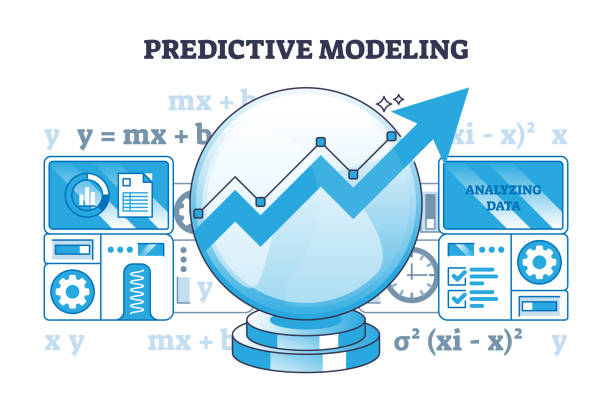
Predictive modeling is an analytical and machine learning method that makes use of historical data to predict the future outcome. It does this by finding patterns and connections in the past and using them to predict the future. For example, a bank could employ predictive models to determine the likelihood of a loan holder at risk of defaulting, whereas retail stores can determine which products will be popular during the coming season.
The process of predictive modeling typically involves data collection preparation features, selection of features modeling, training testing, deployment, and. Historical data is first collected then cleaned and arranged. The most important variables are identified and the most appropriate algorithms – such ones like decision trees, regression or neural networks — are used. After training and proving the model, it’s utilized to analyze the new data and make predictions. To ensure that the model is reliable, they typically require constant updates as data and conditions change.
Key Types of predictive modeling
While predictive modeling encompasses many different approaches but the most common kinds of models are grouped into categories like:
Survival models: They are often used in engineering and in healthcare to estimate the amount of time needed before an event occurs, like the recovery of a patient or a machine break down.
Models for Classification: Used when the output is categorical, for example, making predictions about whether an email might be spammed or whether a client is likely to keep churning.
Regression Models Created for numeric outcomes, such as forecasting home prices or revenues.
Modelling of Clusters They are useful in grouping like data points, frequently used to segment customers.
Models of Time: Focused on forecasting changes in values in time, like the price of stock, demand or the weather conditions.
Benefits of Predictive Modeling
The increasing use of predictive models is not a coincidence, as it provides companies with a myriad of advantages which directly affect decision-making efficiency, and even competitiveness.
- Better Decision-Making Companies can base their on the data they have rather than relying on assumptions.
- Risk Reduction Financial institutions utilize predictive models to determine the creditworthiness of their customers and identify fraud, which helps to limit loss.
- Customer Insights Marketers and retailers leverage forecasts to customize shopping experiences, enhance the way they target customers, and keep them.
- Operations Efficiency Companies employ predictive maintenance techniques to cut time to repair by anticipating failures of machines before they occur.
- The Competitive Advantage Companies that use predictive analytics often move ahead of the competition, anticipating changes in market and customer demands before competitors.
- Cost savings: By optimizing operations while minimizing risks and enhancing precision, predictive modeling can help reduce the financial burden.
In the end predictive modeling allows businesses to anticipate the future, plan their resources in a responsible manner and be flexible in the face of changing markets.
In its essence predictive modeling converts raw data into useful insights. Instead of traditional reporting, which analyzes what has occurred and what happened, predictive modeling is focused on what’s likely to occur next. This allows companies to move from the reactive approach to decision-making and instead adopt proactive strategies.
Real-World Applications
Predictive modeling is used extensively across industries, showing its potential and impact:
- Health: The prediction of outbreaks and predicting readmissions of patients and evaluating the effectiveness of treatment.
- Finance Analyzing credit risk as well as identifying fraudulent activities and forecasting trends in stock.
- E-commerce and retail: Predicting customer churn as well as personalised product recommendations and optimizing stock.
- Manufacturing Utilizing predictive maintenance in order to reduce the risk of equipment failure and increase production schedules.
- Marketing The process of forecasting success for campaigns and identifying customers with high value and reworking pricing strategies.
- Transportation Predicting traffic pattern and estimating delivery times and ensuring the maintenance of fleet vehicles.
These cases show that predictive modeling goes beyond than just a theory; it’s an actual tool that helps shape strategies and creates measurable outcomes.
What’s the Future of Predictive Modeling?
Predictive modeling is predicted to be even more effective. The rapid growth of machine learning, artificial intelligence and big data is improving the accuracy of prediction and automation. Cloud platforms have made predictive analytics available to companies of all sizes. IoT devices feed the models in real time with data.
Another exciting trend is explanation-based AI (XAI), which seeks to make complex algorithms more understandable and transparent. This will help to bridge the gap between tech experts and the business executives. Since predictive models are integrated with real-time analytics and automated processes businesses will not just anticipate outcomes, but they will also act immediately on these outcomes.
In the near future predictive modeling will go beyond being a competitive advantage and becoming a requirement in industries that rely on data.
Conclusion
Predictive modeling is among the most transformative technologies of our digital age. Through the use of the historical data of the past and using advanced algorithms, it enables businesses to anticipate outcomes, decrease risks and enhance the process of making decisions. From healthcare and finance to manufacturing and marketing the applications are applicable to the entire spectrum of industries.
While issues such as data quality as well as complexity and ethics persist, technological advances in AI machine learning, AI and cloud computing make predictive models more accurate and accessible. If you want your business to be successful in markets with high competition Predictive models are no longer an option tool. It’s essential.
With the adoption of predictive modeling today companies can harness the potential of foresight, remain ahead of competitors and create strategies to ensure long-term success.