The role of AI in graphic Design
The graphic design industry has been the forefront of visual communication, mixing the power of creativity and strategy to create messages that are captivating to people. From posters and logos to social media material and branding, graphic design influences how people view ideas and businesses. In the past, designing was a process that required the use of tools and equipment, artistic talent as well as endless re-thinking. But the advent of Artificial Intelligence (AI) is revolutionizing the design industry. AI-driven tools make designs more efficient, easier to access and more creative. This article focuses on the role played by AI for graphic designers, the applications as well as its limitations, benefits and the way it is changing the process of creating.
Essential Roles of AI in Graphic Design
Important roles of AI in enhancing the graphic design are as following:
1.Automated Design Generation
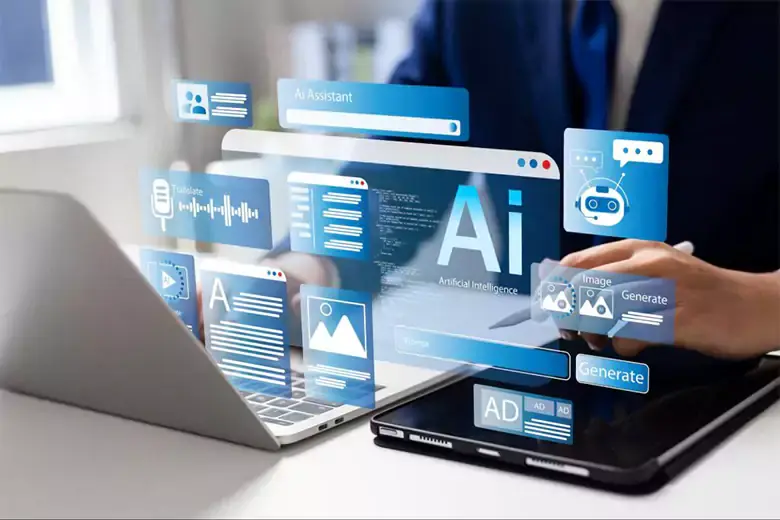
AI tools can produce professional-looking designs in just a few minutes. When you type in a text prompt or choosing an option, users are able to make graphics for advertising, social media or even websites. Tools such as Canva AI, Designs.ai as well as Fotor AI allow for democratization of design and allow even non-designers to produce visually attractive content.
2. Photo Enhancement and Editing
AI-powered platforms like Adobe Sensei, Remini as well as Luminar AI are revolutionizing editing photos. Features such as automated background removal, photo scaling and color correction cut down the amount of time designers devote to making manual adjustments. These tools allow for quick retouching and transform amateur photos into images of professional quality.
3.Logo as well as Branding Creation
AI makes it easier to creating brand identities and logos. Platforms such as Looka or Tailor Brands make use of algorithms to create several logo options depending on the preferences of users. Designers can improve these outputs, thereby which can be done in a short amount of time, while guaranteeing the uniqueness. AI can also help keep branding consistent across various media.
4.Generative Art as well as Creativity
AI is not only about automation, it can also bring imagination. Tools such as the DALL*E3 and MidJourney are able to create original artwork, illustrations and abstract images that stimulate designers. Combining human creativity with AI ideas, artists are able to expand their creative horizons beyond the traditional limitations.
5.Personalized Design Suggestions
AI analyses user data and offers personalised design suggestions. For instance, AI can suggest color palettes, typography and layouts that match with a brand’s branding or the preferences of users. This can help businesses design designs that appeal to their audience.
6.Typography Assistance
The choice of the correct font is vital to graphic design. AI tools assess the readability of text as well as emotional tone and context for design to recommend appropriate fonts. Platforms such as Fontjoy and FontPair AI aid designers in pairing fonts with ease, providing more aesthetics and improved communications.
7.Optimizing Workflow and Time
AI is able to automate routine tasks, such as resizing images, generating numerous designs, or modifying layouts to work on different platforms. This can save time for designers and allows them to concentrate on the innovative and strategic elements of designing.
8.Accesibility for Design
AI makes sure that images are accessible to everyone as well as disabled people. The tools are able to check contrasts of colors as well as adjust typography to ensure readability and create alternatives to text on images. This is not just ensuring accessibility but also ensures that the tools are compliant with global accessibility standards.
9.Video and Motion Graphics Integration
Graphic design today goes beyond static visuals. AI tools such as Runway ML and Pika Labs integrate motion videos, graphics, along with animated content into the designs. closing the gap between video and graphic design. This allows brands to create engaging multimedia content.
Advantages of AI in graphic Design
- Performance and Speed Designs can be created in a matter of minutes.
- accessibility – Anyone who is not a designer can create professional visuals.
- Cost savings Businesses eliminate the requirement in large-scale design groups.
- Creativity Creative Inspiration AI offers fresh ideas that transcend the human mind.
- Consistency ensures that brand elements are consistent across different platforms.
- Personalization tailors design to certain audience.
Future of AI in graphic Design
Future of AI within graphic design looks bright and vast. Generative AI in Graphic Design will continue expand the boundaries of creativity, making highly personalized and immersive designs feasible. Incorporation with Augmented Reality (AR) and Virtual Reality (VR) will result in immersive design experiences. Furthermore, ethical frameworks as well as copyright laws will develop to govern the design process of AI. As opposed to replacing artists AI is likely to act as an effective co-creator.
Conclusion
AI has revolutionized the game when it comes to graphic design. increasing workflows, fostering creativity and making design easier as never before. Automating routine tasks to creating original art, AI empowers both professionals as well as beginners to create striking visuals. But, AI must be considered more of a complement as a substitute for human imagination. Designers who accept AI as a collaborator will be more likely to succeed in the ever-changing landscape of digital communication.