Different kinds of Electronic Medical Record (EMR) Systems You Must Be able to Know
Healthcare is rapidly shifting towards digital transformation. Electronic Medical Records (EMRs) are at the center of this transformation. In replacing the paper charts with online platforms EMRs enable doctors administrators, and nurses to manage and access patient records efficiently and precisely. But there are many differences between EMR systems are created equal. They differ in their the design, function and the manner in which they are used. Selecting the best one could drastically enhance efficiency, patient outcomes and overall compliance.
This guide will help you understand the various kinds of Electronic Medical Record (EMR) systems with their distinctive strengths, and the best way to select the most appropriate one for your business.
What is an Electronic Medical Record (EMR)?
A Electronic Medical Record (EMR) is a digital copy of a patient’s chart on paper that is maintained solely by one health care practice or an organization. It includes an individual’s health history as well as diagnosis medication, allergies as well as immunization dates, lab results, as well as notes from the physician.
Contrary to Electronic Health Records (EHRs), which are specifically designed to share information across various health care environments, EMRs are mainly used in a single practice. They make it easier to keep records and allow practitioners to gain access to comprehensive patient data in a matter of seconds.
The most important takeaway is that EMRs replace paper records with secure, searchable and well-organized digital records, enhancing the way doctors keep, access and update patient information.

Kinds of Electronic Medical Record (EMR) systems
The kinds of Electronic Medical Record (EMR) are as following:
1.on-premise EMR system
On-Premise EMR Systems are installed directly on the servers of the healthcare facility’s local server along with the infrastructure for IT. These systems provide organizations with complete control over their data, and allow them to handle security, backups, as well as update software internally. Although they provide a high degree of security and customization however, they also come with significant initial cost for hardware, software and dedicated IT staff. In addition, maintaining and updating the system falls to the business, which can be a significant resource.
2.Cloud-based EMR Systems
Cloud-based EMR systems are hosted on servers located in remote locations and are accessible through the internet. This reduces the requirement for physical infrastructure, and reduces initial costs since it generally follows the subscription-based pricing model. Cloud-based systems are simple to expand, and are automatically updated by the service provider and are accessible from many locations, which makes the ideal choice for companies that have multiple locations or staff members who are remote. However, they are dependent on internet connectivity that is reliable and trust data security to third-party service providers.
3.Specific to the field EMR software
Specific to the field EMR software are created to cater to the distinct processes, styles of documentation, and terms used in specific medical areas such as pediatrics orthopaedics, dermatology. They simplify the processes within their respective specialties by supplying specific features such as specific template templates and coding software and diagnostic assistance. While they’re highly effective for targeted applications, they might not be appropriate for general-purpose practices because of their lack of adaptability.
4.Integrated EMR systems
Integrated EMR systems integrate the EMR alongside other vital healthcare software applications like billing and managing labs, scheduling and practice management. This integration enables seamless data sharing between departments, enhances the coordination of care and eliminates the requirement for separate systems. While extremely efficient integrated systems are complicated to implement and requires more financial investment and staff training across the integrated modules.
5.Free-source EMR systems
Free-source EMR systems allow access to the source code for the software which allows healthcare professionals as well as their designers to alter and modify the system according to their particular requirements. These systems are usually available for use at no cost and provide an extensive amount of flexibility. However, they require a significant amount of technical knowledge to install, configure and maintain. In addition, support is usually restricted to forums for community members unless the organization pays for third-party support.
6.Hybrid EMR solutions
Hybrid EMR solutions combine features from both cloud-based and on-premise models. These systems permit healthcare providers to store some data locally and also use cloud services for access and backup. This dual setup could increase the reliability and flexibility, especially for settings that have intermittent internet connectivity or strict data control needs. However managing a hybrid system can be a technical challenge and could require sophisticated IT tools to guarantee seamless operation and data uniformity.
The most important factors to consider when choosing an EMR
A Selecting the best kinds of Electronic Medical Record (EMR) is more than simply selecting a specific kind. Be aware of these factors:
Practice Size and Cost: Small practices may prefer cloud solutions with a low cost and larger hospitals may need an on-premise or integrated solution.
Specialty Requirements: If you’re in an area of expertise, search for specialization-specific EMRs.
Security and Compliance: Ensure your system is compliant with HIPAA or local privacy standards for data.
User experience: Simple interface accelerates adoption and decreases the need for education.
Scalability Choose a system which can expand with your client base as it grows.
The Future of EMR Systems
EMR technology is rapidly evolving. Some of the key trends are:
Artificial Intelligence (AI): Automating charts, suggesting diagnoses, and analyzing the results.
Telehealth Integration: The integration of EMR details with consultation videos as well as remote monitoring of patients.
Mobility Accessibility Applications that allow providers to make changes to charts and prescriptions from the comfort of their mobile.
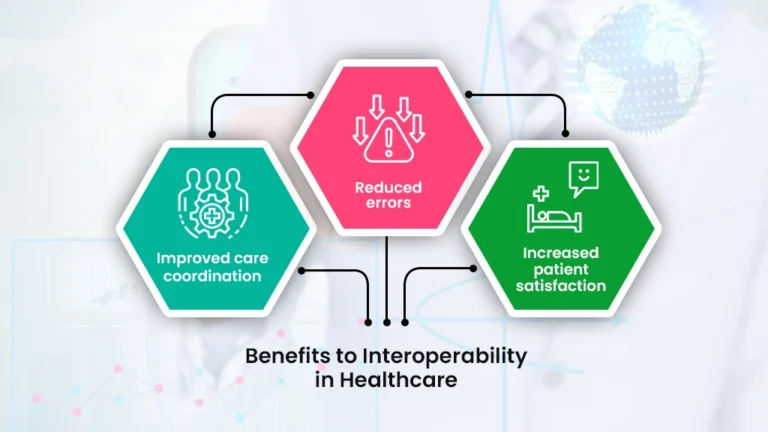
Interoperability Better data exchange among EMRs, EHRs, and other health IT tools.These developments aim to improve the efficiency of a business and increase engagement with patients.
Conclusion
Knowing the various kinds of Electronic Medical Record (EMR) system is vital for any healthcare company that invests into digital technology. From traditional models on-premise to cloud-based platforms that are flexible as well as specialty solutions and hybrid options, each provides distinct advantages.
When you analyze the size of your practice, its workflow and compliance requirements and workflow, you can choose the EMR that increases efficiency, improves the quality of care for patients, and expands to grow with you. As technology advances, implementing the appropriate EMR solution will allow providers to remain competitive, provide better care, and offer more pleasant patient experiences.